
v0 by Vercel
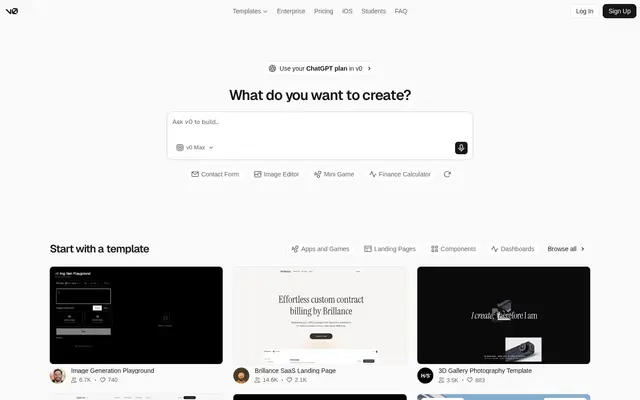
Describe a web app, get it live, with the AI billed to your ChatGPT plan.
These 23 apps can run on your ChatGPT Plus or Pro plan, so their OpenAI model usage counts toward the plan you already pay for instead of an API key. OpenAI has supported this officially since 29 September 2026 through Sign in with ChatGPT; other apps drive the Codex you log in to with your ChatGPT account. You can cap or disconnect any of them from your ChatGPT settings.
Updated · Checked by BringYourSubs
Describe a web app, get it live, with the AI billed to your ChatGPT plan.

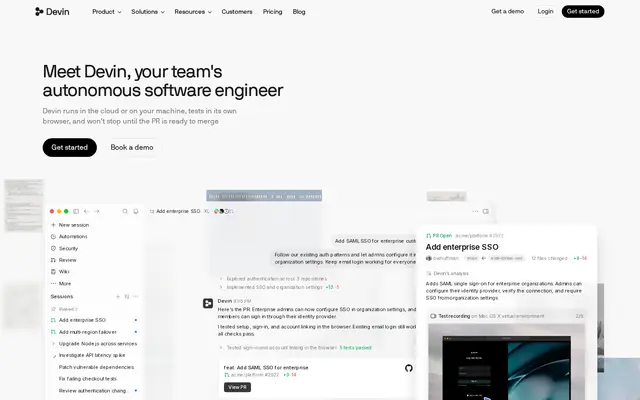
Cognition's coding agent, with its OpenAI model usage on your ChatGPT plan.

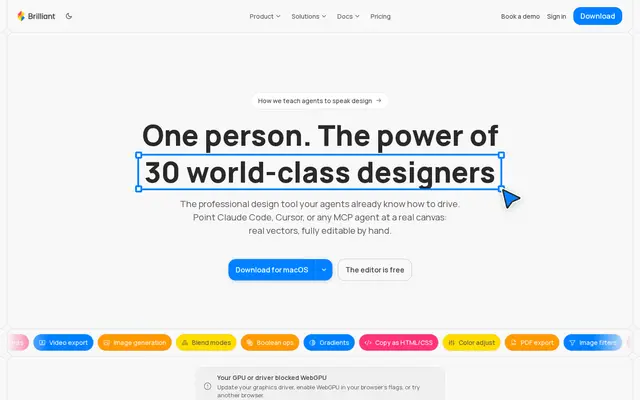
A free Figma-class design tool where AI agents work right on the canvas.


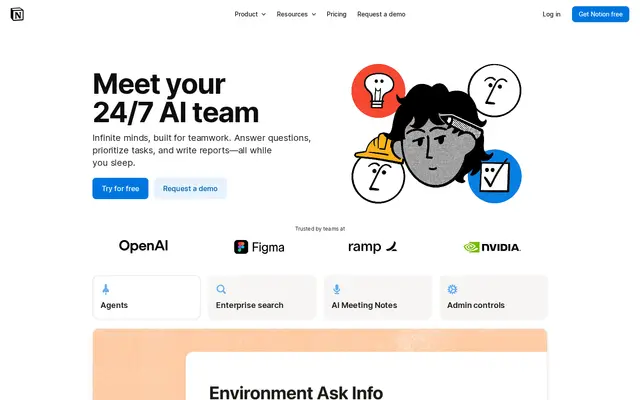
Your docs and wiki, with an agent that runs on your ChatGPT plan.

An open-source assistant in your chat apps, on your ChatGPT plan or Claude Code login.

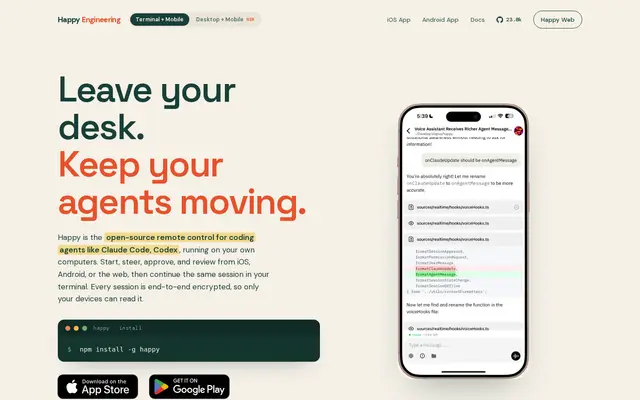
Steer the Claude Code and Codex sessions on your computer from your phone.

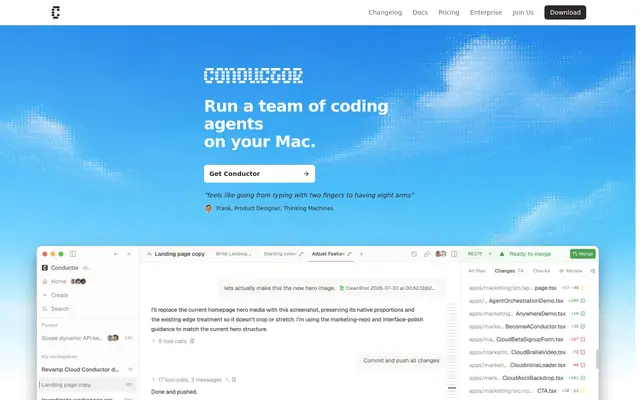
Run a team of Claude Code and Codex agents in parallel on your Mac.

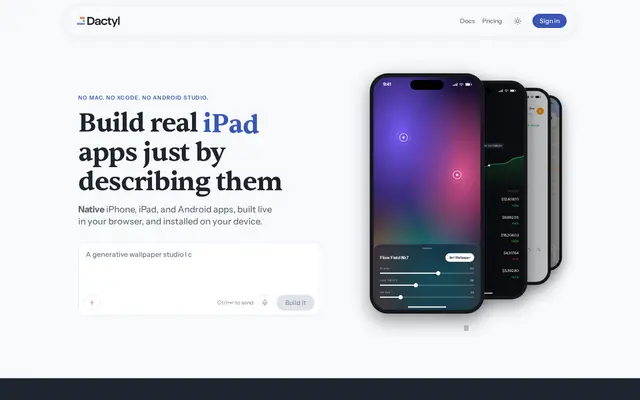
Describe an iPhone or Android app and ship it native, on your ChatGPT plan.

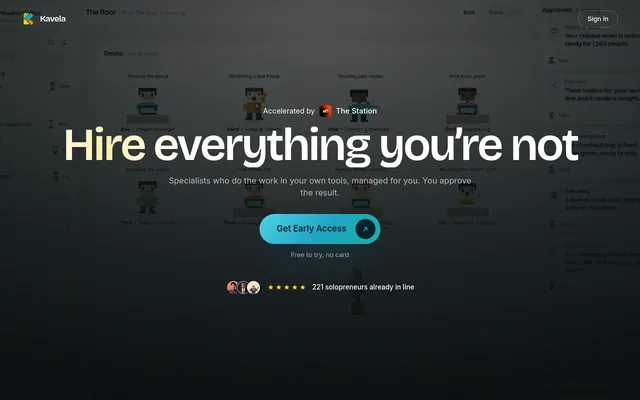
Hire a team of business agents that run on your own Claude or ChatGPT plan.

A self-hosted team of company agents on your Claude and ChatGPT plans.

A fast, open-source code editor that runs agents on your ChatGPT plan or Claude Code.

An open-source coding agent for your terminal that runs on your ChatGPT Plus plan.

An open-source coding agent for VS Code, JetBrains and the CLI, on your ChatGPT plan.


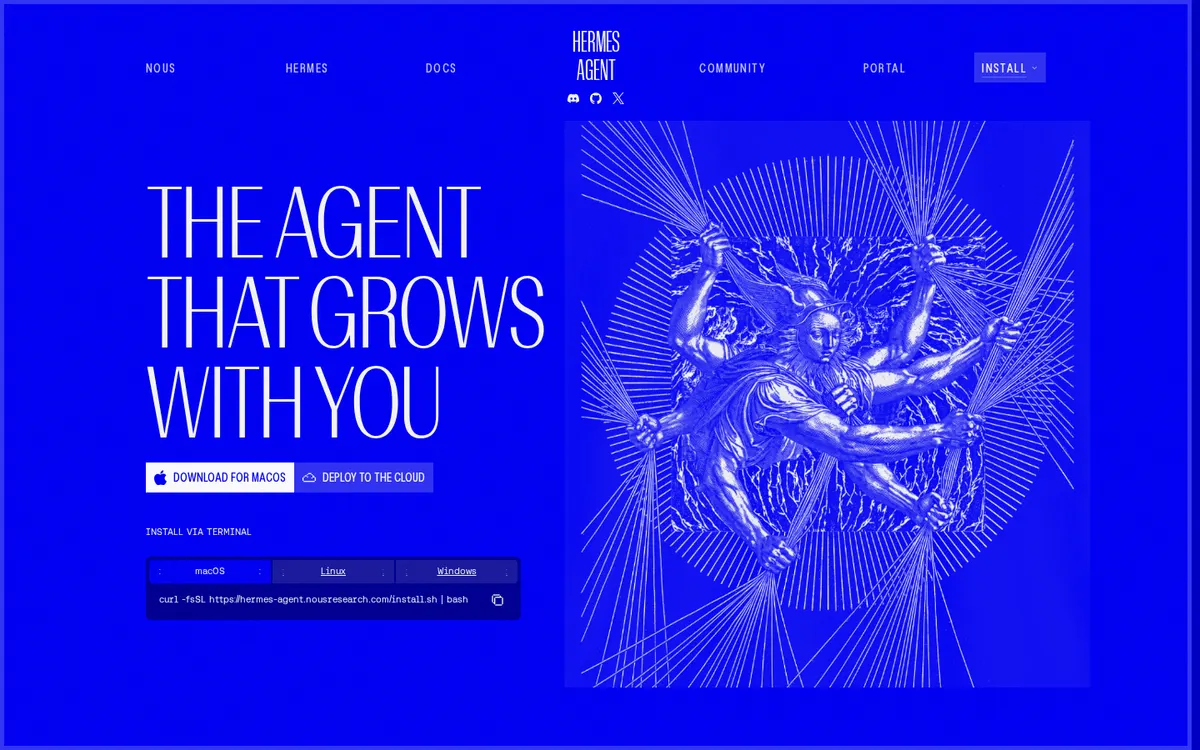
Nous Research's self-improving agent, on your ChatGPT plan or, experimentally, Claude Code.

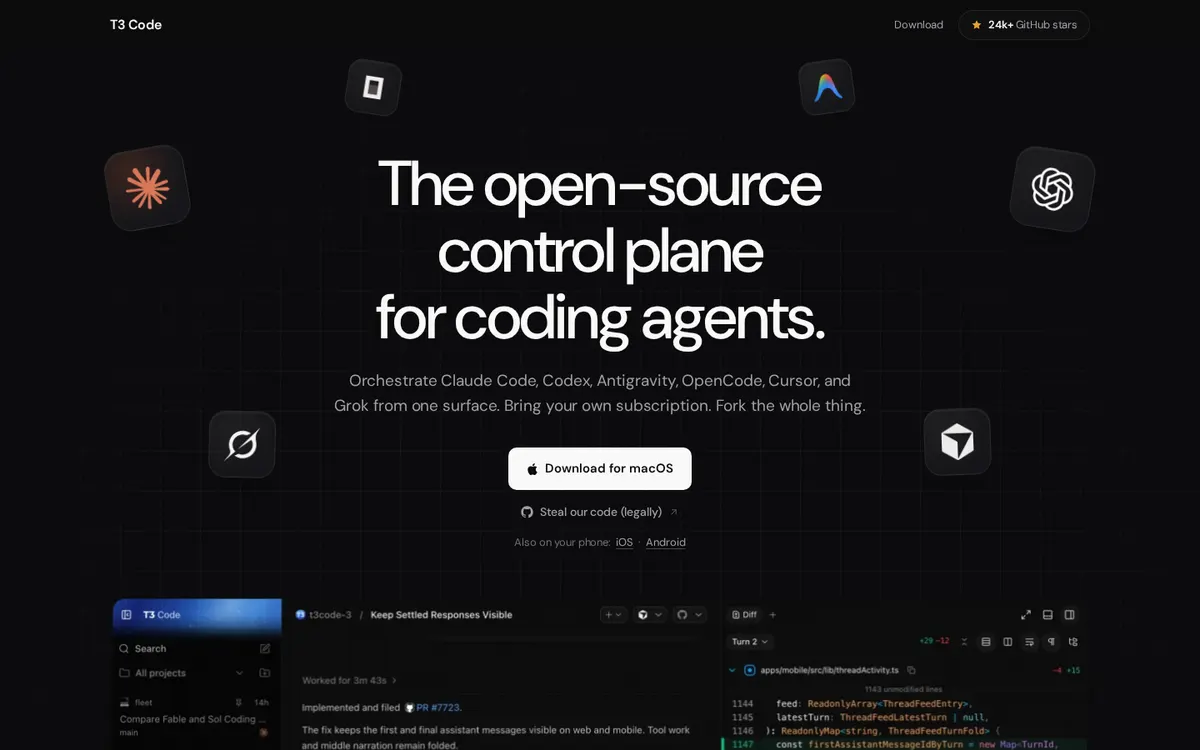
One open-source control plane for Claude Code, Codex and Cursor, on your own subs.

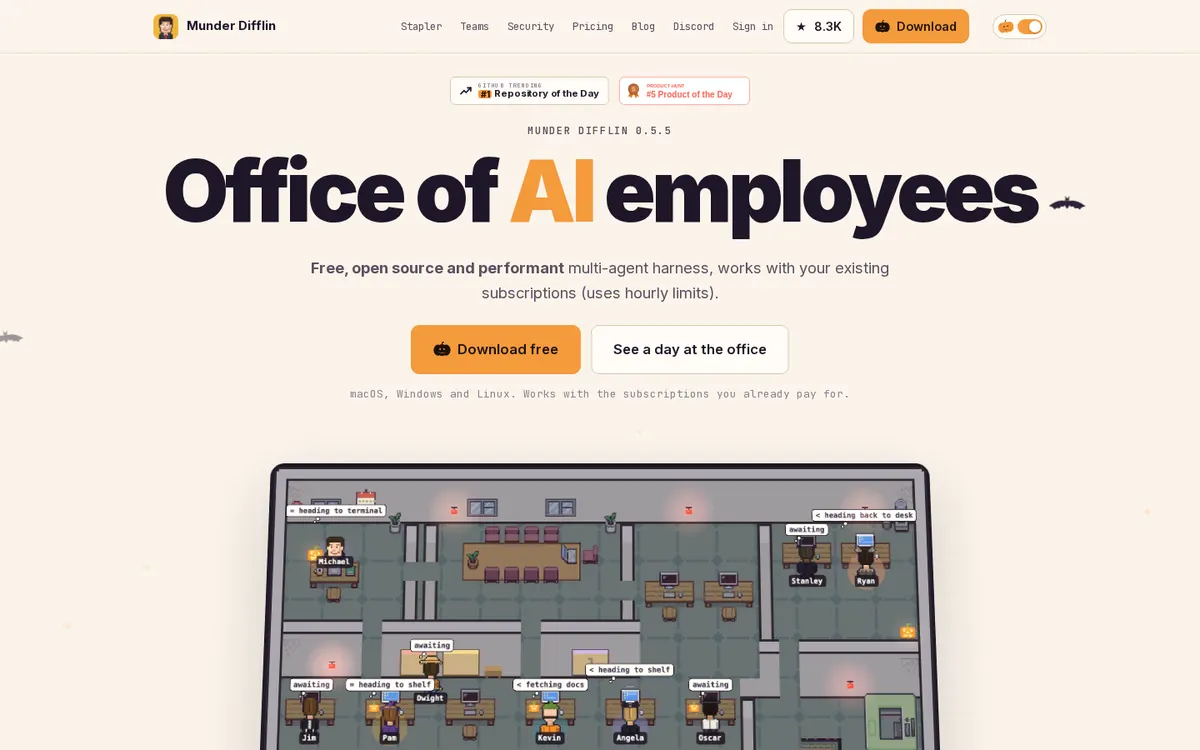
Run a whole office of AI agents on the Claude, Codex and Cursor plans you already pay for.

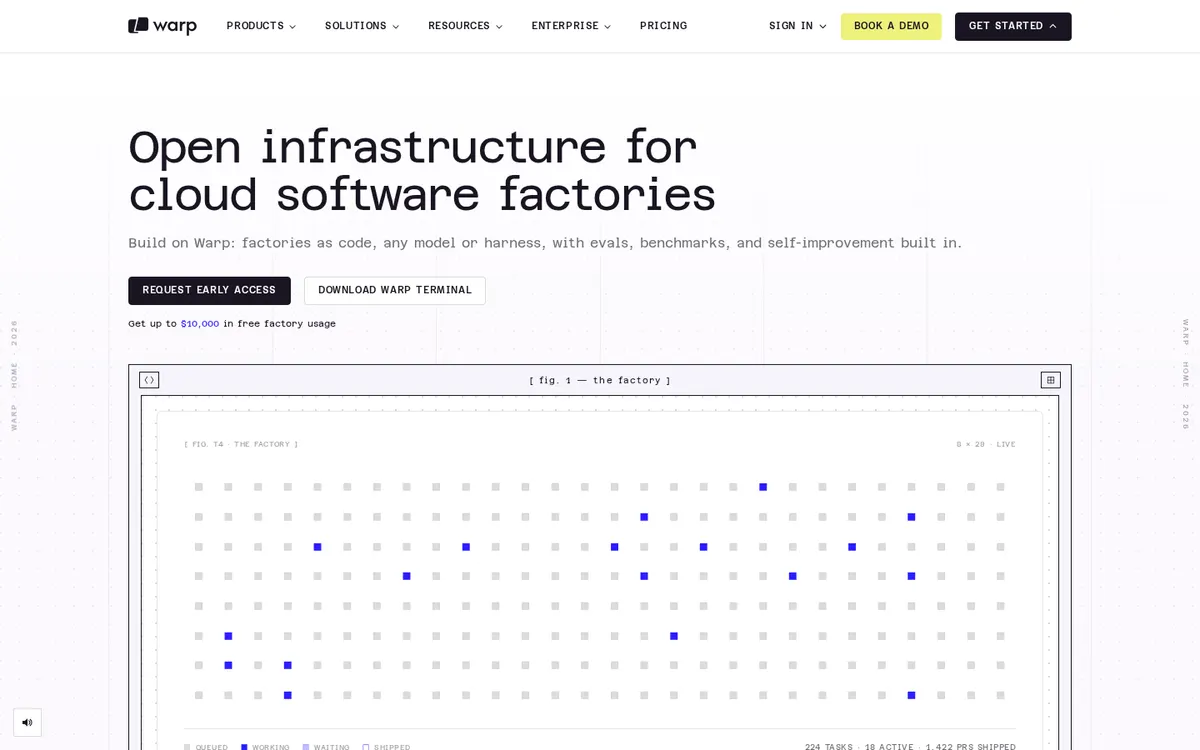
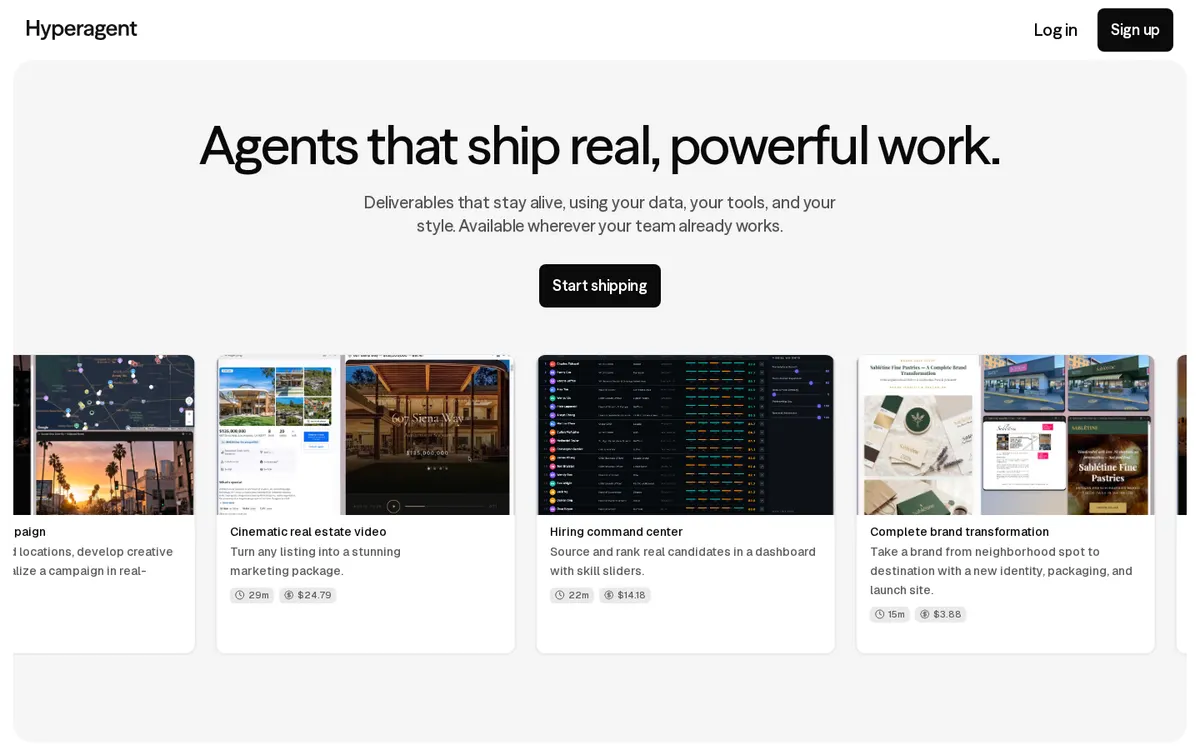
A fleet of agents that ships real work, with GPT usage on your ChatGPT plan.

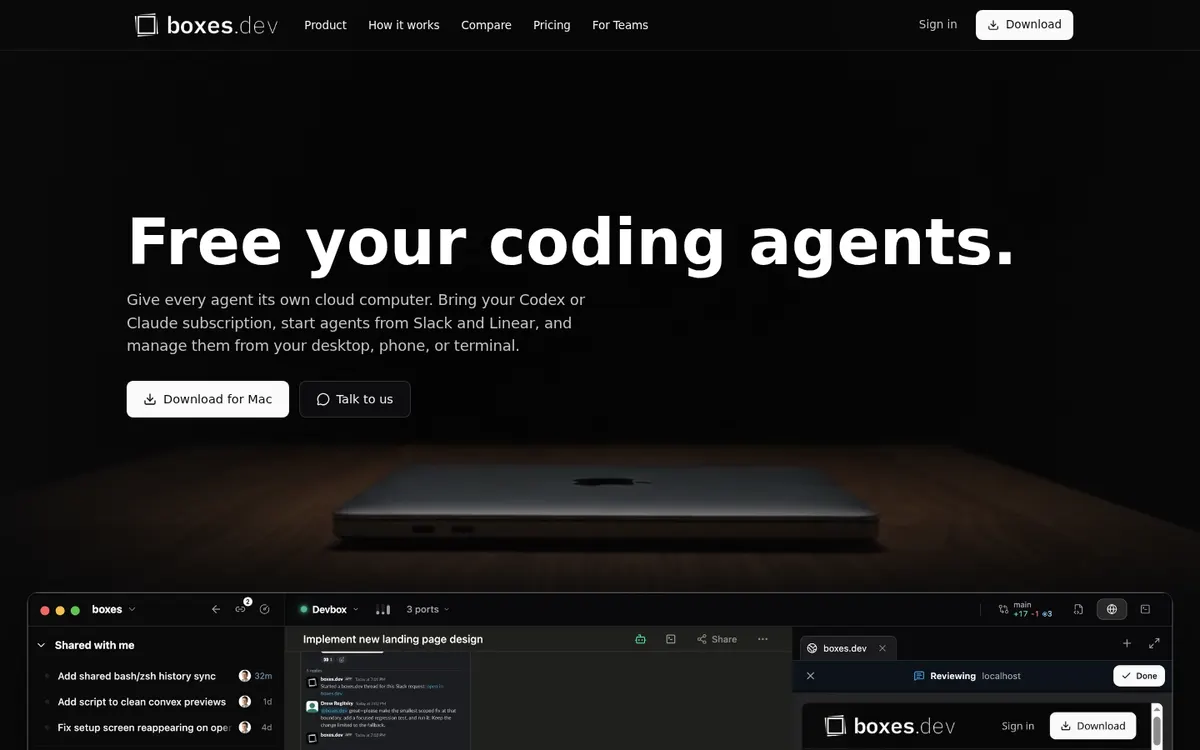
Give every Claude Code and Codex agent its own cloud computer, on your own subscription.

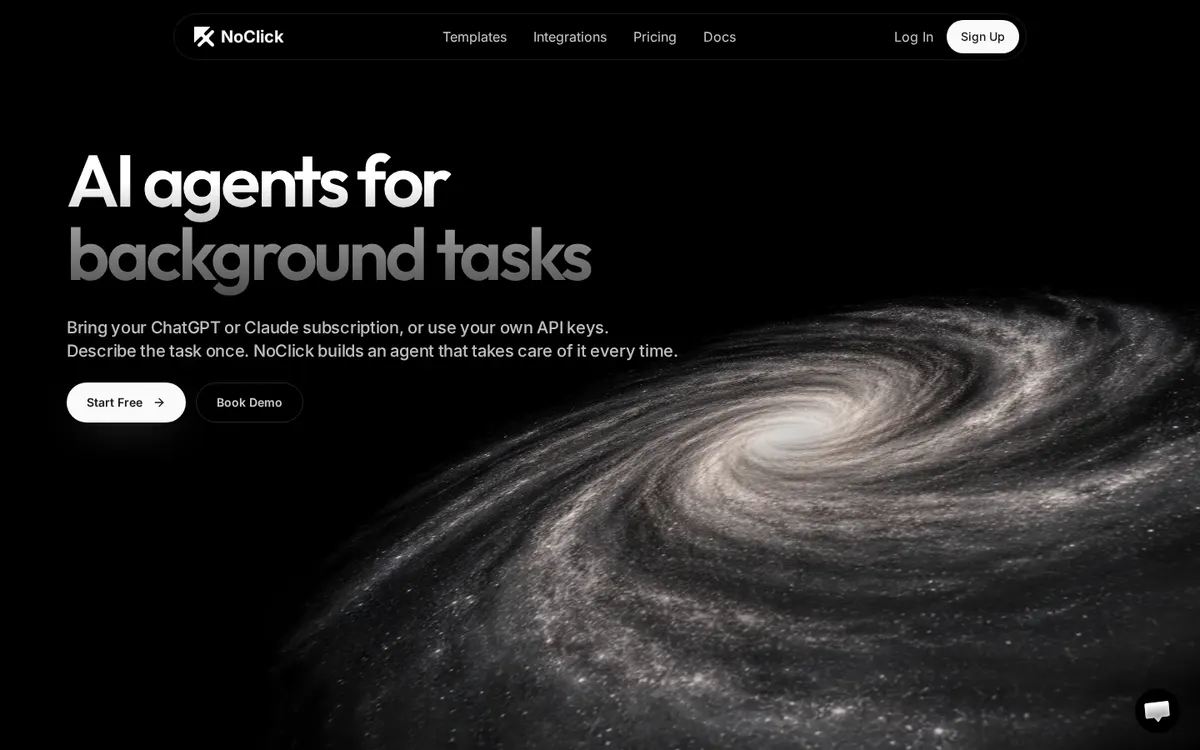
Build always-on agents for background tasks on your ChatGPT or Claude subscription.
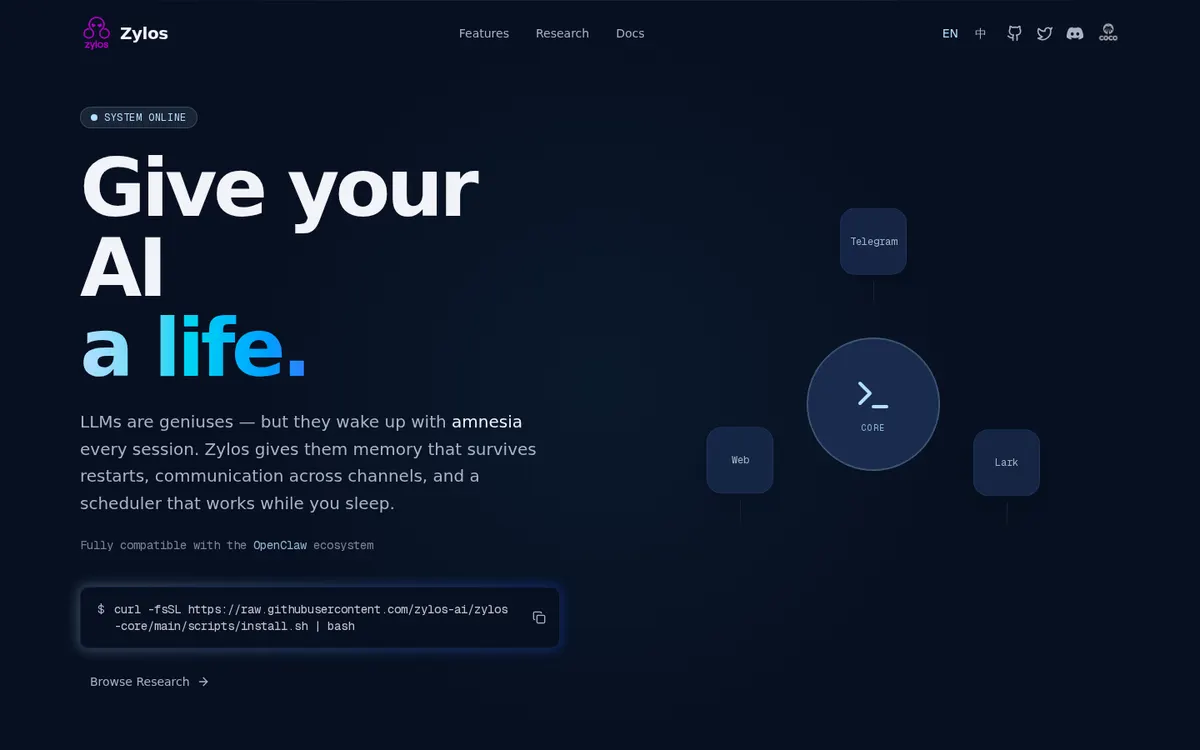
An always-on AI with memory, running on your Claude or Codex subscription.

Hire a team of AI workers, run by a PM, on your own Claude or ChatGPT plan.
On OpenAI's Sign in with ChatGPT partner list
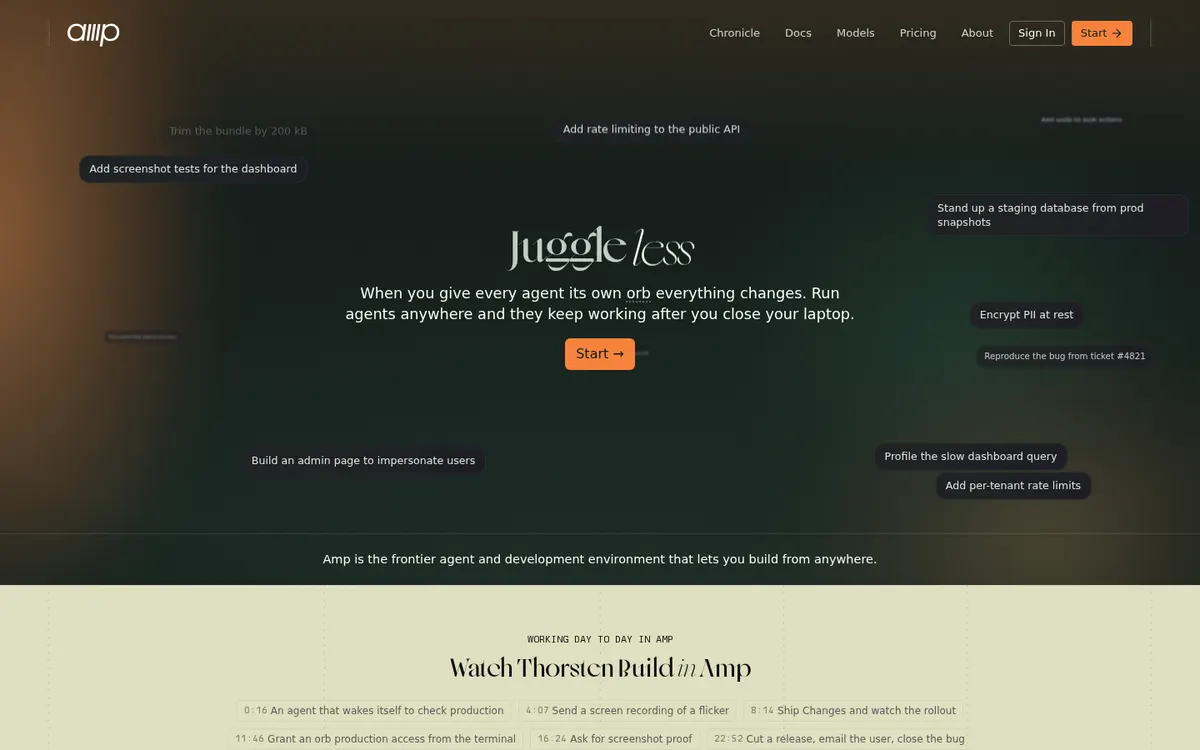
Amp, Conductor, Dactyl, Devin, Hermes Agent, Hyperagent, Kilo Code, Notion, v0 by Vercel and Warp. OpenAI also lists the open-source integrations OpenClaw, OpenCode and T3 Code. (OpenAI's list)
Run the Codex you sign in to with ChatGPT, or their own ChatGPT sign-in
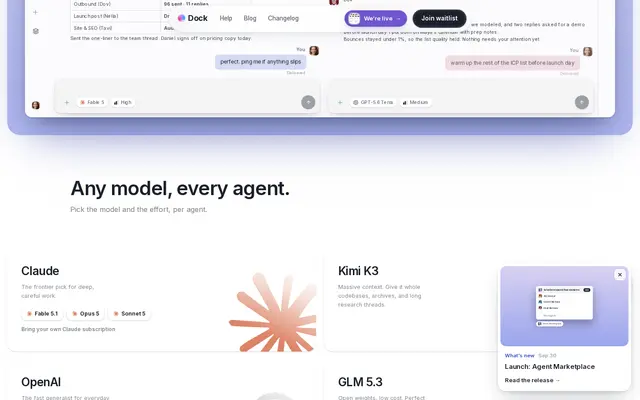
Brilliant, Happy, Dock, OtoDock, Zed (its ChatGPT Subscription provider), Munder Difflin, boxes.dev, NoClick, Zylos and Kavela.
Some apps still charge for their own features. Notion's plan support needs a Notion Business or Enterprise workspace, and Dactyl charges for its Builder plan to publish apps.
OpenAI's help page says anyone can sign in to participating apps with ChatGPT, "but the option to use your ChatGPT plan is only available with Plus and Pro." App usage counts toward your existing plan limits; connecting an app does not add a new allowance. Using your plan "does not give the app access to your ChatGPT conversations or memories."
As of 3 October 2026, 23 apps on BringYourSubs, including the apps on OpenAI's own partner list: Amp, Conductor, Dactyl, Devin, Hermes Agent, Hyperagent, Kilo Code, Notion, v0 by Vercel and Warp, plus the open-source OpenClaw, OpenCode and T3 Code.
You can sign in with a free account, but only Plus and Pro can let an app use the plan for AI requests.
Cursor is not on OpenAI's Sign in with ChatGPT list as of 3 October 2026. Apps on the list that work as editors or editor extensions include Kilo Code (VS Code and JetBrains) and Zed.
No. Claude Code runs Anthropic models on an Anthropic plan or key. To run both side by side, use an app that drives Claude Code and Codex together, such as Conductor, T3 Code or Zed.
No. OpenAI says using your plan does not give the app access to your ChatGPT conversations or memories. Signing in shares your name, email address and profile picture.
On Claude Pro or Max instead? See apps that use your Claude subscription.
The cost maths: plan vs API